



Brazilian Currency Exchange: A Practical Guide for Visitors
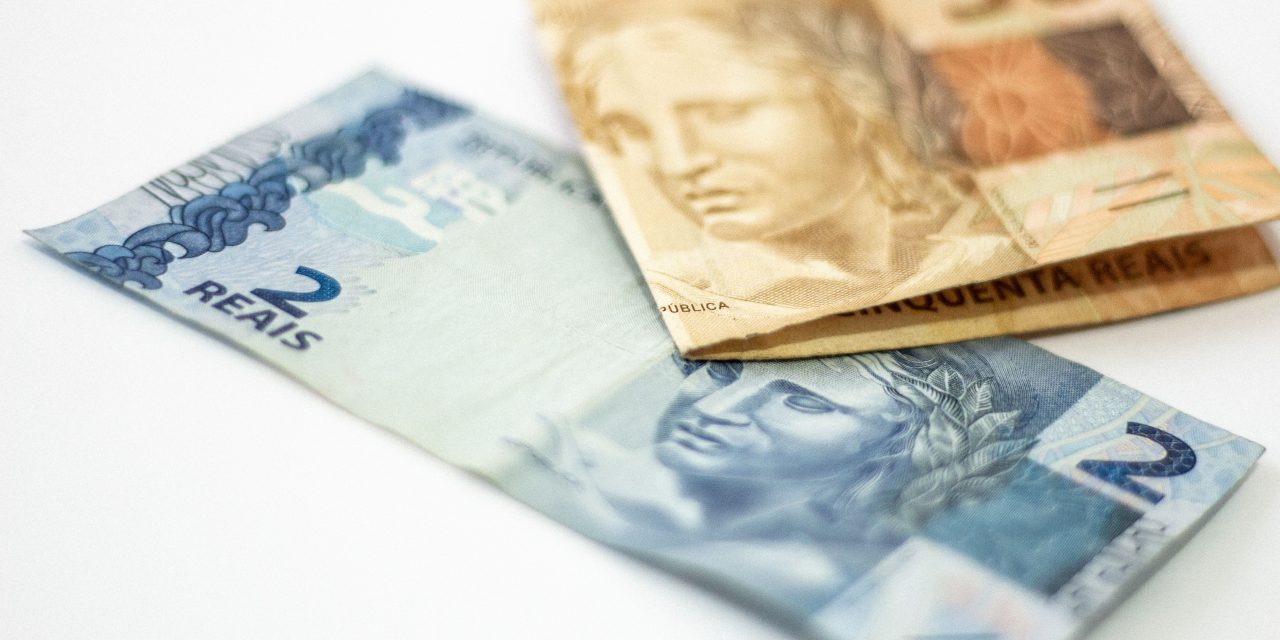
Brazil’s currency is the Brazilian real, written as R$ and abbreviated BRL. Most foreign banks won’t sell you reais in advance, so you’ll exchange money after you arrive in the country, usually within your first day.
Three channels handle almost all of it: ATMs, cards, and exchange counters (casas de câmbio). Each has a different cost, and the cheapest one isn’t always the most convenient one.
Quick Comparison
| Method | Typical Cost | Best For |
|---|---|---|
| ATM withdrawal | Your home bank’s foreign fee + a possible Brazilian ATM fee | Most travelers, most of the trip |
| Card payment | 3.5% IOF tax on the purchase | Hotels, restaurants, stores |
| Casa de câmbio (licensed, away from tourist strips) | Spread built into the rate, varies by location | Topping up cash without an ATM |
| Airport or hotel counter | Highest spread of the four | Only a small amount, just to get started |
Withdrawing Cash from ATMs
ATMs (caixas eletrônicos) usually give you a rate closer to the real market rate than an exchange counter. Look for machines from Banco do Brasil, Bradesco, Banco24Horas, or Santander; airports and shopping malls have them.
When the screen asks whether to charge you in US dollars or in reais, choose reais. The dollar option is called dynamic currency conversion, and the rate it uses is worse than letting your own bank convert the charge.
Check your home bank’s foreign ATM fee before you travel. Some banks charge a flat fee per withdrawal on top of the currency conversion; others waive it for specific account types or travel cards.
Paying by Card
Visa and Mastercard are widely accepted in Brazilian cities: restaurants, stores, and most taxis and ride-hailing apps. Smaller towns and informal vendors still expect cash.
Foreign card purchases in Brazil carry an IOF tax (Imposto sobre Operações Financeiras) of 3.5%, added automatically to the transaction. This is a federal tax on the financial operation itself, not a merchant fee, and it applies to any purchase, from a restaurant bill to a tour booking. The rate is set by government decree and has changed more than once in recent years, so confirm it with your card issuer before your trip if the exact percentage matters to you.
As with ATMs, if a card terminal offers to charge you in US dollars instead of reais, decline it. Paying in the local currency avoids a second, separate conversion on top of your card network’s own rate.
Exchanging Cash at a Casa de Câmbio
A casa de câmbio is a licensed currency exchange office, common in city centers and shopping districts. Rates vary from one office to the next, so compare before committing, especially in heavily touristed strips like Copacabana in Rio de Janeiro, where rates tend to be worse than at an office a few blocks inland.
Bring your passport. Brazilian exchange offices are required to record ID for currency transactions.
Airport and Hotel Counters: Use Sparingly
Airport exchange counters and hotel front desks will change money for you, but at the widest spread of any option, since they know you have few other options at that moment. They’re a reasonable way to get a small amount of cash for a taxi or your first meal, not a place to exchange the bulk of your trip budget.
What About Pix?
Pix is Brazil’s instant payment system, and locals use it everywhere, from paying street vendors to paying for parking. Setting up Pix requires a CPF (the Brazilian individual taxpayer number), which most visitors don’t have, so it isn’t a realistic option for a short trip. Some newer services let foreign visitors register a limited, temporary Pix key, but availability and rules are still inconsistent; a card or cash remains the dependable choice for most visitors.
FAQ
Is it better to exchange money before arriving in Brazil?
Usually not. Most foreign banks keep little or no Brazilian currency in stock, and their rates tend to be worse than a Brazilian ATM once you land.
Does the IOF tax apply to cash currency exchange?
Cash exchange at a casa de câmbio has its own spread built into the buy/sell rate rather than a separate line-item tax; the 3.5% IOF applies specifically to card transactions.
Can I pay for everything with a card in Brazil?
In most cities, yes, for hotels, restaurants, and larger stores. Keep some cash for small vendors, markets, and tips, since many of those places don’t take cards.
Do Banco24Horas ATMs charge a fee?
Often yes, a flat withdrawal fee in addition to whatever your home bank charges; the exact amount varies by machine and isn’t shown until you reach the transaction screen.
Exchanging money in Brazil comes down to the same two habits in every channel: always choose to be charged in reais, never in your home currency, and compare at least two options before changing a large amount in cash. Everything else is a matter of convenience.
Photo credit: Daniel Dan/Pexels

