



Pantanal, Brazil: A Travel Guide to the World’s Largest Wetland
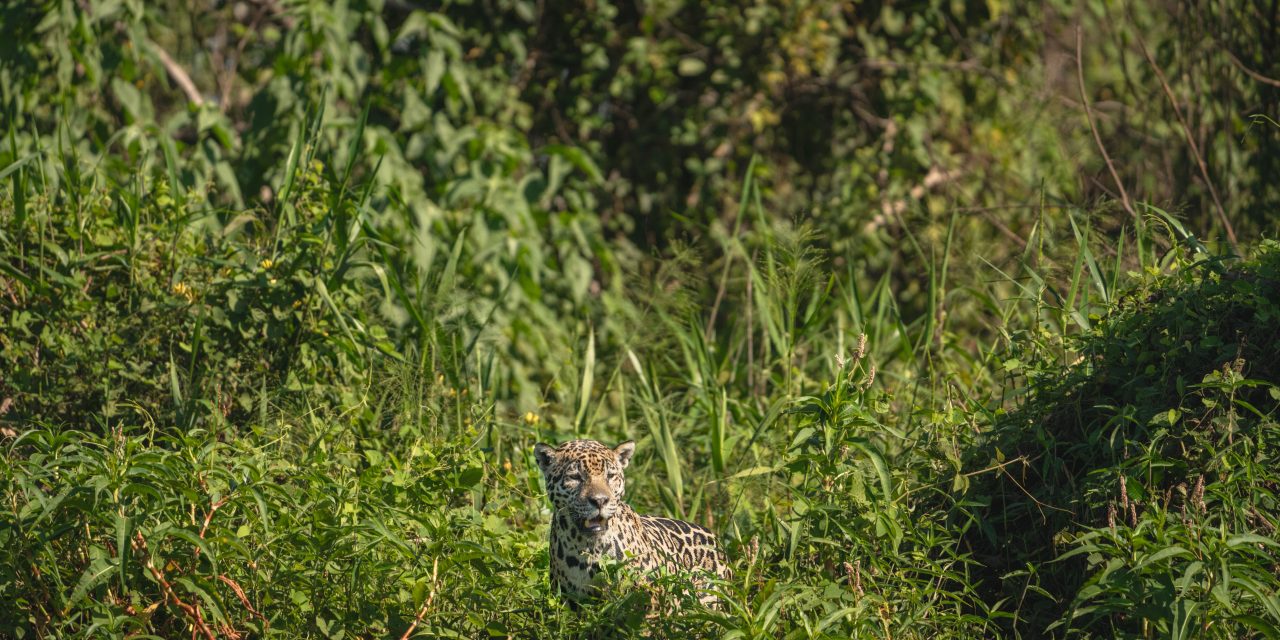
The Pantanal is the world’s largest tropical wetland, and far fewer visitors have heard of it than have heard of the Amazon. It holds some of the densest wildlife on the continent, including what one study found to be the highest jaguar density ever recorded anywhere.
Estimates of its size vary by source and by where the boundary is drawn, from roughly 140,000 to 210,000 square kilometers. About 80% of it sits inside Brazil, split across the states of Mato Grosso and Mato Grosso do Sul, with the rest reaching into Bolivia and Paraguay. A cluster of four protected areas in southwest Mato Grosso, the Pantanal Conservation Area, became a UNESCO World Heritage Site in 2000, though it covers only about 1.3% of Brazil’s share of the wetland.
Quick Comparison
| Best time for wildlife | July-October (dry season, water low, animals concentrated) |
| Best time for birding and macaws | November-April (wet season) |
| Main gateway cities | Cuiabá (north) or Campo Grande (south) |
| Best-known jaguar spot | Porto Jofre, end of the Transpantaneira road |
| How most visitors go | Organized tour, not self-drive |
| Where you sleep | Remote fazenda or riverside ecolodges, not hotels |
North or South: Two Ways Into the Pantanal
The Pantanal splits into a northern and a southern half, and they’re reached from different cities with a different style of trip.
The northern Pantanal is reached from Cuiabá, in Mato Grosso. From there, the Transpantaneira, a roughly 145-kilometer dirt road, runs south from the town of Poconé to Porto Jofre, a small fishing hamlet that’s literally the end of the road. Porto Jofre is one of the most cited jaguar-watching bases in the Pantanal, with boat tours heading out onto the Cuiabá and Piquiri rivers. Northern lodges tend to sit directly on rivers and side channels.
The southern Pantanal is reached from Campo Grande, in Mato Grosso do Sul, with Bonito as a common add-on stop nearby. Southern lodges are more often working or former cattle ranches (fazendas) set on open grassland, which suits travelers more interested in anteaters and birdlife than a dedicated jaguar search.
Nearly all foreign visitors book an organized tour from one of these two cities rather than driving themselves. Rental cars are a complication in the north specifically, since they generally have to be returned in Cuiabá, not left at Porto Jofre.
When to Go
July through October is the dry season and the window most guides recommend for wildlife in general: water levels drop, and animals concentrate around the water that’s left, which makes them easier to find. This is also the period most associated with jaguar sightings at Porto Jofre.
November through April is the wet season. Much of the land floods, boat-based access improves, and it’s the season birders associate with hyacinth macaws, which cluster around palm groves and gallery forest during this stretch.
What Lives There
The numbers vary by source, but the range gives a sense of scale: guides cite around 650 bird species, roughly 100 mammal species, and caiman populations estimated in the millions.
Jaguars are the headline draw. A study at the Taiamã Ecological Station recorded 12.4 jaguars per 100 square kilometers, described as the highest density ever documented for the species, linked to how much of their diet comes from fish and aquatic reptiles rather than land prey. Total population estimates for the Pantanal disagree sharply depending on method, ranging from under 2,000 to several thousand, so treat any single number as rough.
Beyond jaguars, expect capybaras in family groups near waterholes, giant anteaters most active in the cooler hours in open country (more a southern-lodge sighting), giant otters, Brazilian tapirs that favor forest edges and muddy pools at dusk, and hyacinth macaws concentrated in palm groves, especially in the south.
Fire Season Is a Real Factor
The same dry months that concentrate wildlife also raise wildfire risk. The Pantanal has had serious fire seasons in recent years: 2020 burned an estimated 31% of the wetland and affected close to half the region’s jaguar population, and 2024 brought unusually early, intense fires during extreme drought, with the Paraguay River hitting historic lows that April. Check current conditions before booking a trip in the driest months, since smoke and localized closures can affect specific routes or lodges in a bad fire year.
Health and Safety
Malaria transmission in this part of Mato Grosso is rare and sporadic rather than widespread, unlike the core Amazon states; talk to a travel medicine provider about your specific route either way. Standard mosquito precautions (repellent, long sleeves at dusk) apply regardless of malaria risk, since the wetland has plenty of other biting insects.
Where to Stay
There are no city-style hotels inside the Pantanal itself. Accommodation means remote lodges built for wildlife travel: riverfront lodges and side-channel properties in the north, ranch-style ecolodges on former cattle fazendas in the south. Rooms are simple, usually with air conditioning or fans, and most lodges build their schedule around guided boat trips, game drives, and walks instead of resort-style amenities.
FAQ
Is the Pantanal better than the Amazon for seeing wildlife?
For density and visibility, most wildlife-focused travelers rate it higher. The open, flooded terrain makes animals easier to spot than in dense rainforest, which is why jaguar sightings are far more reliable here than in the Amazon.
Do I need a guide to visit the Pantanal?
Not legally, but nearly all foreign visitors book an organized tour instead of arranging transport and lodging independently, since the region is remote and most lodges are tour-access only.
When is the best time to see jaguars?
Roughly July through October, the dry season, with Porto Jofre, at the end of the Transpantaneira, being the most cited specific location.
Is the Pantanal affected by wildfires every year?
Not every year to the same degree, but the dry season that’s best for wildlife is also the season with the highest fire risk, and the region has had severe fire years in 2020 and 2024. Check current conditions before you book.
Should I fly into Cuiabá or Campo Grande?
Cuiabá for the northern Pantanal and the Transpantaneira/Porto Jofre route, which is more jaguar-focused. Campo Grande for the southern Pantanal and ranch-style lodges, often combined with a stop in Bonito.
The Pantanal rewards travelers willing to go remote: there’s no substitute for the open, waterlogged terrain that makes its wildlife so visible, but getting there means a tour, a lodge instead of a hotel, and planning around a dry season that cuts both ways, for wildlife and for fire risk.

